Domestic Violence Awareness Month
 October is Domestic Violence Awareness Month. This is a time to talk openly about something that too often happens behind closed doors. This national observance began in 1981 when advocates came together to expose violence that was happening behind closed doors. What originally started as a grassroots effort has now grown into a movement that includes survivors, families, and communities. Domestic abuse has no place in our lives. It must be addressed openly.
Most of us come to BonePage because dating, relationships, sex and human connection are supposed to add something good to our lives. We believe in healthy, consensual and sexy human interactions. Domestic violence is none of those things. It is never sexy, never healthy and never a solution.
The 2026 Domestic Violence Awareness Month theme is “With Survivors, Always.” It’s a simple, but important message. Supporting someone who is experiencing abuse isn’t about telling them what they should do. It’s about listening, believing them and helping them find a safer path forward.
Need Help Now?
If you are in immediate danger, call 911 or your local emergency number.
National Domestic Violence Hotline
Call: 800-799-SAFE (7233)
Text: START to 88788
TheHotline.org
Free and confidential help is available 24 hours a day. Advocates can help you talk through your situation, find local resources and develop a safety plan.
Safety note: If you believe someone may be monitoring your phone or computer, consider contacting help from a safer device. Internet activity, location information and communications can sometimes be monitored without your knowledge.
Domestic Violence Awareness Month Matters
BonePage.com is all about healthy, consensual, and sexy human interactions. We celebrate passion, intimacy, and connection, but we draw a hard line: domestic violence is never sexy, never healthy, and never a solution. Love and lust should be fun and build us up, not tear us down.
Domestic Violence Awareness Month is important because it reminds us that abuse takes many forms. Sadly, many people suffer in silence, feeling isolated and alone. Some scars are obvious, while others are hidden. Domestic violence has a tendency to escalate over time, especially when left unchecked. We urge you to seek support if you are being abused. Likewise, if you are an abuser, help is available. We all owe it to ourselves and to our loved ones to seek the help we need most. Do it, before it is too late.
Domestic Violence Is More Common Than Many People Realize
 Domestic violence doesn’t belong to one gender, age group, income level or type of relationship. It can happen to the woman next door, the guy you work with, someone in a same-sex relationship, or the person who always seems happy when you see them. The CDC 2023/2024 NISVS Intimate Partner Violence Data Brief estimates that more than 1 in 3 women—nearly 43.5 million—and more than 1 in 6 men—20.7 million—have experienced contact sexual violence, physical violence and/or stalking by an intimate partner during their lifetimes. In just the 12 months preceding the survey, an estimated 6.7 million women and 2.8 million men experienced one or more of those forms of IPV.
The new report also gives useful individual measures: lifetime intimate-partner physical violence was reported by 22.5% of women and 13.7% of men, while severe physical violence was reported by 18.2% of women and 8.6% of men.
But domestic violence doesn’t just target adults. Children can also be victims of domestic violence even when they are not physically attacked. Seeing, hearing or living with violence between caregivers can affect a child’s sense of safety and emotional well-being long after an incident ends.
Domestic Violence Doesn’t Care Who You Are
Men can be victims. Women can be abusers. Abuse happens in heterosexual and same-sex relationships, and transgender and nonbinary people can experience intimate partner violence as well.
For LGBTQ+ people, abuse can come with another layer of control. An abusive partner may threaten to out someone, expose private information, exploit discrimination, interfere with medication, or convince a victim that police, family members or service providers won’t take the relationship seriously.
Immigrants, older adults and people with disabilities can face different obstacles. An abuser may control transportation, medication, money, identification documents or immigration paperwork.
The details change. The underlying behavior doesn’t. Domestic abuse is about power and control, and it truly knows no boundaries.
Warning Signs and Hidden Struggles
 Abuse isn’t always obvious at first glance. It can start with a jealous partner checking your phone “just to be sure,” isolating you from friends, or demanding to know where you are at all times. It is often expressed as just loving you so much or being worried about you. These warnings often involve financial control, sexual pressure, or mean-spirited “jokes” that cut deep.
While awareness has grown, many domestic abuse survivors still stay silent. Some don’t feel financially able to leave. Some want to try to work it out. Others face family or cultural stigma. Separation or divorce is frowned upon in some religious communities. For members of the LGBTQ+ community, there’s the added fear of being outed or dismissed. Don’t forget that men, too, can be victims and often are—yet they often face disbelief or ridicule when they speak up. Domestic violence isn’t about gender. It’s about control and it truly knows no boundaries.
Abuse Isn’t Always a Bruise
When people hear the words “domestic violence,” they often picture physical assault. Hitting, kicking, pushing and other physical attacks are certainly abuse, but an abusive relationship can take many other forms.
An abusive partner may:
- Insult, humiliate or constantly belittle you.
- Threaten you, your children, family members or pets.
- Control where you go or who you’re allowed to see.
- Keep you away from friends and family.
- Control your money or prevent you from working.
- Pressure or force you into sexual activity.
- Destroy your belongings or punch walls to frighten you.
- Demand passwords or constantly check your phone.
- Track your location or repeatedly demand to know where you are.
- Threaten to share private photographs, videos or personal information.
- Use jealousy as an excuse for surveillance and control.
One bad argument doesn’t necessarily make a relationship abusive. Couples disagree and that is normal. People sometimes lose their tempers and say things they regret. Abuse is different. At its heart is a pattern of power and control that leaves one person afraid, isolated, intimidated or unable to make ordinary choices without worrying about the consequences.
Technology Has Given Abusers New Tools
Years ago, telling someone to change a password or clear a browser history covered much of the digital-safety conversation. Today it is more complicated.
Phones can reveal a person’s location. Shared Apple or Google accounts may expose messages, photographs and device locations. Vehicles, smart-home equipment, cameras and small Bluetooth trackers can also be misused. An abusive partner may monitor social media, demand access to accounts, impersonate someone online or threaten to publish intimate images.
If something about your technology doesn’t feel right, don’t immediately start deleting apps or disabling devices if doing so could alert an abusive partner and put you in greater danger. The National Domestic Violence Hotline has information about technology-facilitated abuse and advocates who can help you think through your situation safely.
Dating Abuse Counts Too
You don’t have to be married or living together for abuse to be domestic or intimate partner violence. Dating partners can be abusive. Former partners can be abusive. Someone you met online can become controlling or threatening. Stalking after a breakup is not romantic persistence. Repeated unwanted contact that causes fear should be taken seriously.
Jealousy can sometimes be flattering in tiny doses. Control isn’t. Someone wanting to know where you are every minute, demanding access to your phone, deciding who you may speak with, or frightening you when you try to set boundaries isn’t demonstrating how deeply they love you.
Sexual Violence Can Happen in a Relationship
Consent doesn’t disappear when people become a couple. Being married, dating, living together or having previously consented to sex does not give someone permanent access to another person’s body. Sexual coercion and forced sexual activity can occur within long-term relationships just as they can anywhere else.
Anyone who has experienced sexual assault can contact the RAINN National Sexual Assault Hotline for free, confidential support 24/7. Call 800-656-HOPE (4673), use online chat, or text HOPE to 64673. RAINN also offers contact through WhatsApp and Signal.
A Special Warning About Strangulation
If a partner has ever put pressure around your neck, choked or strangled you, please take it seriously even if there are few or no visible injuries. Strangulation can cause serious internal injuries that aren’t immediately obvious. It is also recognized as an especially dangerous warning sign in an abusive relationship. Seek medical attention after a strangulation incident, particularly if you have trouble breathing or swallowing, changes in your voice, dizziness, confusion, weakness, neck pain or other symptoms.
The National Domestic Violence Hotline has additional information about the dangers of strangulation.
Challenges Faced by Domestic Violence Victims

Leaving Isn’t Always as Simple as “Just Leave.” People looking at an abusive relationship from the outside sometimes ask the obvious question: Why doesn’t the person just leave? There may be children involved. Money may be controlled by the abusive partner. The victim may have nowhere else to live. There may be threats involving pets, family members or immigration status. The abuser may have spent years isolating the person from friends and convincing them that nobody else cares. And sometimes leaving itself can bring additional danger.
That’s why a safety plan matters. A domestic violence advocate can help someone think through where to go, who can be trusted, what documents or medications may be needed, how children or pets can be protected, and how to leave more safely if and when the person decides to do so.
No one deserves to live in fear or be controlled by a partner. If you’re experiencing abuse, you don’t have to figure out what to do next by yourself.
Obstacles in Seeking Help
Each of these victim groups—women, men, and children—face distinct obstacles in seeking help.
Women often experience fear of retaliation, financial dependency, or ingrained guilt or shame. They may worry that no one will believe them, or that leaving would make things worse for themselves or their children.
Men confront a different kind of isolation. Societal expectations often portray men as strong and in control. Admitting abuse may feel emasculating or could lead to ridicule. Many men fear they won’t be taken seriously by law enforcement, shelters, or even friends. Some even question whether their experiences “count” as many just keep quiet and endure the abuse.
Children are the most voiceless of all. They depend on adults—often the very people involved in the violence—for their basic needs. Many children lack the vocabulary or emotional awareness to describe what’s happening, and they may fear being punished, separated from family, or not believed. They may believe the abuse is normal, sometimes internalizing the guilt, thinking “if I just behave better…”
Document Abuse When It Is Safe to Do So
Evidence can disappear, particularly when threats arrive through text messages, social media or other digital communication.
If it can be done safely, keep records of abusive incidents. Write down dates and what happened. Save threatening texts, emails and voicemails. Photograph injuries or property damage. Keep copies somewhere the abusive person cannot access.
But safety comes first. Don’t collect evidence in a way that increases your risk. The Hotline offers more detailed guidance on documenting abuse safely.
Children Are Affected Too
A child doesn’t have to be physically struck to be harmed by domestic violence.
Seeing or hearing violence between caregivers, watching one parent threaten another, living with constant tension, or worrying about what will happen when someone comes home can change a child’s sense of what “safe” means.
Children may also become part of the abuse itself. An abusive partner might threaten to take the children away, use custody as leverage, ask children to spy on the other parent or deliberately undermine the child’s relationship with them.
Protecting children is another good reason to seek professional help with safety planning rather than trying to navigate a dangerous situation alone.
If You’re Living With Abuse
No one deserves to live in fear or be controlled by a partner. If you’re experiencing abuse, you don’t have to figure out what to do next by yourself. If you are in such a situation, here are some practical steps that may help:
- Call 911 in an emergency. If violence erupts suddenly, your immediate safety comes first.
- Reach out for support. Whether it’s a trusted friend, a family member, or a confidential hotline, connection can break the isolation.
- Have a safety plan. Keep copies of important papers, cash, and medications where you can reach them quickly.
- Know your digital safety. If possible, use a device your abuser cannot access or monitor when seeking help. Be aware that phones, shared accounts, location services, vehicles, and other connected devices may reveal your activity or location.
- Consider legal protections. Restraining and protective orders can give victims a shield against continued threats. Free legal aid services may be available in your community. Reach out to our resources or do your own research to see what resources are available in your area.
Domestic Violence & Sexual Assault Resources
National Domestic Violence Hotline
Call: 800-799-SAFE (7233)
Text: START to 88788
www.thehotline.org
RAINN National Sexual Assault Hotline
Call: 800-656-HOPE (4673)
Text: HOPE to 64673
Online chat, WhatsApp and Signal options are available through:
RAINN National Sexual Assault Hotline
Immediate danger: Call 911 in the United States or your local emergency number.
If an abusive partner may be monitoring your phone, computer, browser history, location or online accounts, consider using a safer device to look for help.
More Resources
- WomensLaw.org – provides legal information for all victims of abuse (men or women).
- Most cities have local shelters and crisis centers—don’t hesitate to search for help nearby.
- Local law enforcement and the courts will be able to provide access to any local shelters and resources.
If You Think Someone You Know Is Being Abused
Maybe you’re not the one living with abuse, but you see troubling signs in someone else’s relationship. Victims may make excuses for their partner or brush off concerns, leaving friends and family unsure of what’s really happening. Still, there are signs that loved ones and even casual bystanders may notice. Someone may begin to withdraw from social activities, or they may show obvious changes in personality. Once confident, they are now anxious or guarded. You might hear excuses for injuries that don’t quite make sense, or notice a partner who seems to speak for them. These small details, taken together, can point to a larger problem.
This can be difficult. You may see what is happening long before the person is ready to call it abuse. Start by listening. Don’t shame them for staying. Don’t tell them they’re foolish for going back. Don’t demand that they immediately end the relationship. An abusive partner may already spend a great deal of time telling the victim what they are and aren’t allowed to do. Support shouldn’t become another person giving orders.
Instead, tell them you believe them. Tell them the abuse isn’t acceptable. Ask what would be helpful. Offer practical assistance if you safely can, and let them know professional help is available.
If someone is in immediate danger, call 911 rather than physically confronting an abusive person yourself. Direct confrontation can increase the danger to the victim, the person intervening, or both.
Sometimes, the most important role friends and family can play is simply to remain present. Abusers thrive on isolation, convincing victims that no one else cares or believes them. By staying supportive, patient, and consistent, you become a lifeline. Even if the victim is not ready to act today, your willingness to listen and stand by them may give them the strength to reach for help tomorrow.
Domestic Violence Awareness Month 2026
The 2026 Domestic Violence Awareness Month campaign uses the theme “With Survivors, Always.” The Day of Unity is October 5, and Purple Thursday is October 15. Wearing purple that day is a simple way to show support for survivors and help keep the conversation visible.
Awareness months can sometimes become a collection of ribbons, hashtags and social media posts. Those things have value, but the bigger purpose is what happens afterward. Learn the warning signs. Check on a friend. Believe someone who tells you they’re afraid. Teach young people that jealousy and control aren’t signs of love. Share a hotline number. Speak up when someone treats abuse as a joke.
And if you’re reading this because something in your own relationship doesn’t feel right, trust that feeling enough to talk with someone. Reaching out for help can be difficult. It can also be the first step toward getting your life back.

Emergency Situations
 When an act of domestic violence or immediate danger is present, calling 911 is the safest step. Friends and bystanders should generally not try to physically intervene with an abuser if law enforcement can respond quickly. When tempers flare, your involvement might make things worse. Law enforcement has usually been trained on how to de-escalate domestic abuse and make a determination of the appropriate steps to be taken.
If children, elders, or vulnerable adults are involved, reporting to protective services may be required by law. In less urgent cases, a call to the police non-emergency line or reaching out to a domestic violence hotline can help you figure out the safest path forward.
The Road Ahead
Leaving an abusive relationship is rarely easy, but it can be done. Healing is possible, too. Survivors often discover support groups, therapy, and community spaces where they can rebuild confidence, joy, and even rediscover intimacy on their own terms. That’s the future BonePage believes in: one where connection is mutual and every interaction is rooted in respect.
Remember that domestic violence thrives in silence. By talking about it, we break the cycle.
Sources and further reading: CDC National Intimate Partner and Sexual Violence Survey: 2023/2024 Intimate Partner Violence Data Brief; National Domestic Violence Hotline — DVAM 2026; National Domestic Violence Hotline; RAINN.
About the Author
Quinn Collins, Lead Research Journalist

Quinn Collins is a highly-regarded research journalist who attended journalism school at Columbia University and is based in New York City. With over two decades of experience in the field, Collins has established a reputation for his insightful coverage of political, First Amendment, and equality issues in the United States. We are pleased to have Quinn as a member of the Bonepage team.
Collins brings a wealth of knowledge and expertise to the subjects he covers, and his writing style is both engaging and informative. Whether it’s breaking down the latest political developments or exploring the legal complexities of First Amendment rights, Collins is dedicated to delivering accurate and impactful journalism that informs and inspires. His commitment to social justice and equality has made him a leading voice in the ongoing conversations about these important issues, and he continues to push for progress through his reporting.
More Articles at BonePage.com
 Take It Down, Take Control
AI Dating Is Here
Suicide Prevention Month
AI Girlfriends Over Hookups
Swingers Lifestyle Tips
BonePage Server Upgrade
Swingers Clubs Directory
Denying Human Rights Enables Human Trafficking
The post Domestic Violence Awareness Month appeared first on Bonepage.com.
]]>
 People Are Already Getting Attached to AI
 The AI companion phenomenon isn’t hypothetical anymore.
 So…Would You Actually Date One?

 Humans Still Seem to Want Humans
 AI Is Already Changing Dating
 Even if you never end up with an AI girlfriend or boyfriend, AI is likely to play a role in your dating life.
 Creating pickup lines and flirty responses
 Helping choose or improve profile photos
 Planning dates and conversation ideas
 Giving dating and relationship adviceIn the future of online dating, there will not necessarily be a confrontation between humans and AI, rather most people will be dating other humans with AI hidden in the background.
 Why Would Anyone Want an AI Partner?
 Can a Partner Be Too Perfect?
 Your AI Lover Has a Privacy Policy

 September is Suicide Prevention Month. At BonePage.com, we believe that every individual’s life holds immense value, and we care deeply about the well-being of our community. As we observe Suicide Prevention Month, it’s crucial to remind everyone that you are not alone, and there is hope even in the darkest moments. Whether you’re struggling with overwhelming feelings or simply don’t know where to turn, remember this: you are worthy of a happy life, and help is available.



 Try different flirting styles
 Work on your sense of humor
 Learn how to keep conversations flowing
 Build confidence before talking to someone new
 AI Learns What You Like
 Why are AI companions so popular right now? Most AI systems remember a number of different things about you. These can include your preferences, favorite topics of conversation, your personality, your interests and your typical style of communication. Rather than having to start from scratch each time you chat, your AI will remember the things you like about a conversation and tailor it to fit your preferences.
 5 Ways AI Can Improve Your Real Dating Life
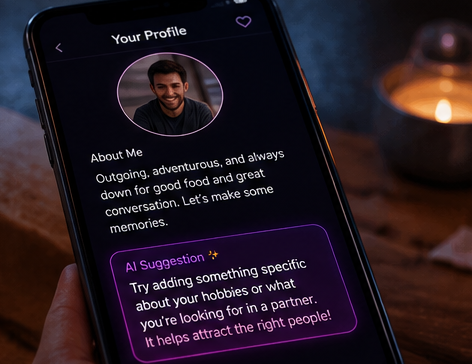
 3. Create a Better Dating/Hookup Profile
 5. Get Inspired
 The Best of Both Worlds
 The future of dating is not necessarily AI vs. real people.
 Have fun safely.
 BonePage.com observes Mental Health Awareness Month each May. This is a time to reflect, support, and advocate for something that impacts every single one of us: our mental health.
 Just like physical health, mental health exists on a spectrum. We all experience ups and downs. Some days we’re thriving, and other days we’re overwhelmed, anxious or simply running on empty. This range is all part of being human.
 If you’re feeling low, stressed, anxious, or hopeless, please don’t suffer in silence. Talk to a trusted friend, loved one, or mental health professional. Even just talking about your feelings and experiences out loud can be a powerful first step toward healing.
 At BonePage.com, we’re about fun, freedom, connection, and self-expression, but more importantly, we care. We want you to take care of yourself. Your mental health is just as important as your physical and sexual health. In fact, it is the most important foundation for the enjoyment of physical and sexual health.


 There are many women in history who have made an impact on the world. Sojourner Truth, Susan B. Anthony, Marie Curie, Ruth Bader Ginsburg, and Malala Yousafzai are some female leaders that come to mind. There are many more in academia, the military, medicine, business, government, sports, journalism, and throughout the rest of society.
 Women have long been the backbone of families, balancing countless roles with unwavering strength, compassion, and resilience. As mothers, grandmothers, daughters, and sisters, they provide love, guidance, and support. These women often make sacrifices to ensure the well-being of their loved ones. From nurturing children and managing households to pursuing careers while holding families together, their contributions are immeasurable.

 Local Profiles Only
 The Bonepage platform enables users to find local sexual encounters through their smartphone interface. Users can access the platform at high speed to create instant connections through immediate message sending whenever they want. Users can access our platform to meet real local people who want to connect immediately at any time during the day or night. The platform enables users to access a basic interface which helps them connect with adult users who want to chat and plan meetings through shared interests.

 Supporting Hope
 Standing With Survivors
 It is official – there will be no tariffs at BonePage! We’re apolitical. The BonePage platform by policy maintains complete neutrality regarding matters of politics. We neither support candidates nor spread dirt nor attempt to comprehend cheese price fluctuations (the 27% increase remains completely baffling). Via
 Great sex is a common pleasure that unites all of us regardless of our political beliefs. The act of great sex unites people in physical as well as emotional ways no matter what their voting preferences are. From red to blue to purple to leather and lace interests our platform connects you with someone in your area who provides hot encounters at affordable prices.


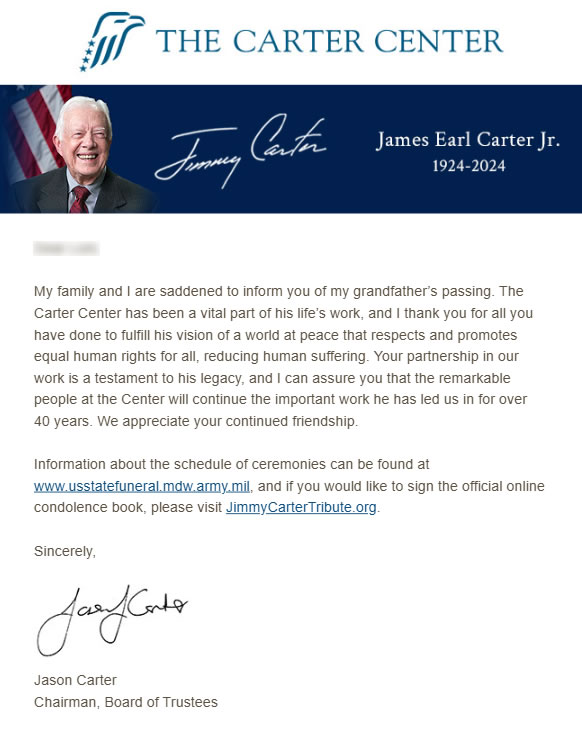
 On December 29, 2024, the world bid farewell to Jimmy Carter, 39th President of the United States, at the age of 100. Known for unwavering integrity and humble leadership, Carter’s life was a testament to the power of service and unwavering commitment to humanity.
 However, it was after leaving the White House that Jimmy Carter truly reshaped the role of a former president. With his wife Rosalynn by his side, he founded The Carter Center in 1982. The Carter Center is their foundation dedicated to promoting democracy, protecting human rights, and advancing global health.

 National Substance Abuse Prevention Month is proudly recognized by BonePage.com. We are mindful of the toll substance abuse takes on our people — not just the substance users, but their families as well. National Substance Abuse Prevention Month is recognized each October by medical professionals, law enforcement agencies, emergency medical services, and other concerned community organizations. BonePage.com joins the nation in recognizing this critical observance, focusing attention on the challenges of substance abuse while sharing the message that prevention and help are possible.
 Substance abuse remains a widespread challenge across the United States, affecting millions of lives each year. According to the National Institute on Drug Abuse (NIDA), over 20 million Americans aged 12 and older struggled with a substance use disorder in recent years. This number highlights the indiscriminate nature of substance abuse—impacting people of all ages, races, and socioeconomic backgrounds. Whether it’s opioids, alcohol, prescription drugs, or illicit substances, addiction creates ripples of harm across all aspects of society.

 There are numerous online resources available for those struggling with substance abuse. Here are a few: